Drain Repairs vs Drain Relining in Truro: Which Do You Need?
For homeowners in Truro and the surrounding Cornwall areas, maintaining your drainage system is essential to avoid costly water damage and ensure proper waste flow. When a drain becomes blocked or damaged, you’re often faced with a choice between traditional drain repairs involving excavation and the newer, no-dig option of drain relining.
Understanding the differences between these two methods, along with their benefits and limitations, can help you make an informed decision. This guide explores both approaches so you can choose the best solution to keep your property’s plumbing in good shape.
Understanding Traditional Drain Repairs
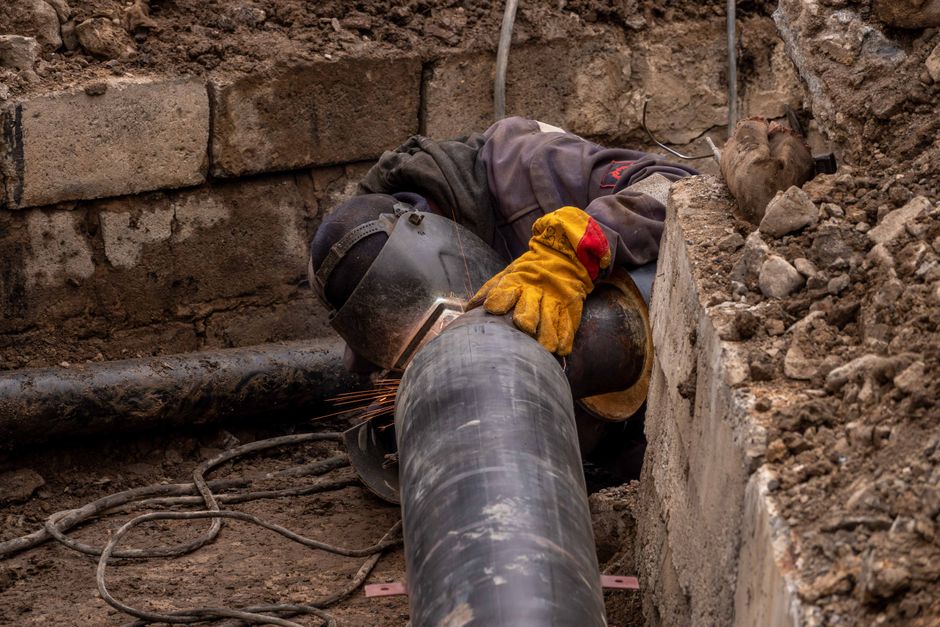
Traditional drain repairs involve excavating the ground to access the damaged pipe. This method often requires digging up driveways, gardens, or pathways to find and remove the faulty section before replacing or repairing it. For properties in Truro, excavation may disrupt garden landscaping or paved areas, but it allows direct access for thorough inspection and repair.
Excavation is a tried and tested way to fix severe drain problems, such as collapsed pipes or extensive damage caused by tree roots common in Cornwall. The downsides include the mess and inconvenience during the repair period and potential costs related to restoring surfaces after digging up soil or concrete.
What Is Drain Relining?
Drain relining is a modern, minimally invasive technique where a resin-coated liner is inserted into the existing pipe through a small access point. This liner hardens in place, creating a new pipe within the old one without removing any soil or surfaces. For homeowners in Truro and nearby towns like Falmouth or Penryn, this no-dig option significantly reduces disruption.
Relining is ideal for cracks, small holes, or pipes with corrosion but that are still structurally sound enough to support a liner. Since there is no need for excavation, it tends to be quicker and can be more environmentally friendly by preserving existing landscaping and reducing waste.
Pros and Cons of Traditional Drain Repairs
One major advantage of traditional repairs is the ability to fully replace or remove badly damaged sections of pipe, ensuring a comprehensive fix, particularly useful for older properties in Cornwall with deteriorated drainage systems. This method also allows for direct visual inspection during repair, which can uncover additional issues.
However, the downsides include the disruption to your property’s grounds, the potential need to restore driveways or garden areas, and often longer repair times. Also, excavation can be costly and messy, which may be a downside for busy homeowners in areas like Truro or Redruth.
Pros and Cons of Drain Relining
Drain relining offers a fast, less disruptive alternative with minimal digging needed, making it attractive for those in built-up areas such as St Austell or Newquay where garden or driveway access might be limited. It generally involves shorter repair times and less mess, allowing homeowners to resume normal activities quickly.
Nonetheless, relining is not suitable for all types of damage. If the pipe is collapsed or severely broken, the liner won’t hold properly. Also, relining may slightly reduce pipe diameter, which could impact flow in already narrow or heavily used drains. Understanding these limitations is key before deciding.
How to Decide Which Method Suits Your Drain
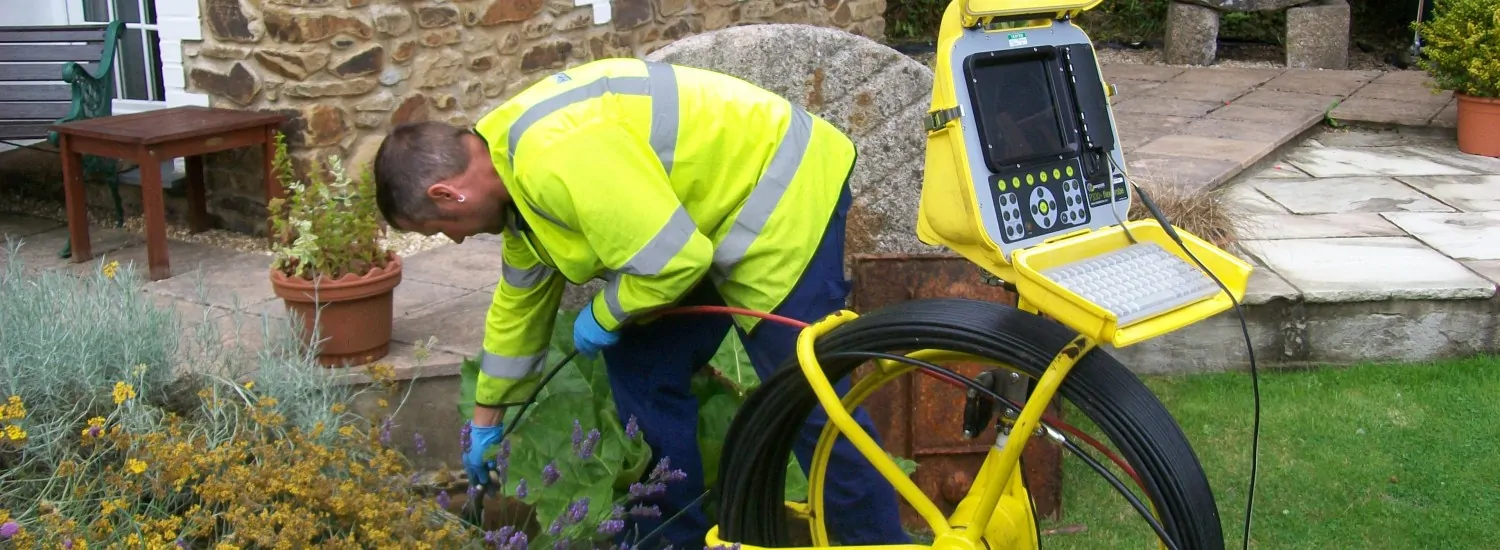
Choosing between traditional repair and relining depends on the extent and nature of the damage. A professional CCTV drain survey is essential to assess pipe condition accurately. In Cornwall, where older properties sometimes have aging clay or cast iron pipes, this inspection helps identify issues like root intrusion, cracks, or collapses.
If the damage is minor and the pipe structure remains sound, relining is often the best choice for preserving garden spaces and reducing disruption. For serious pipe collapses or damage from external forces, excavation and traditional repairs may be the only viable option.
Local Considerations for Drain Repairs in Truro and Cornwall
The local geology and property styles in Truro and surrounding towns like Camborne or Perranporth influence drainage problems. Cornwall’s clay soils can cause pipes to shift or crack over time, while mature trees common in the area may cause root damage requiring excavation.
Additionally, the historic nature of many Cornwall homes means older drainage materials might need replacing rather than relining. Access restrictions in tight urban areas or narrow lanes, such as in Probus or Playing Place, can also affect repair choices, often favouring no-dig solutions.
What to Expect During a Drain Repair or Relining Job
For traditional repairs, expect a site visit followed by excavation to locate and access the damaged drain. The repair team will remove or replace pipe sections, backfill the hole, and restore the surface, which can take several days depending on damage extent and weather—an important consideration in Cornwall’s climate.
Relining jobs usually begin with a CCTV survey to map the pipe, followed by cleaning to prepare the surface. Then the resin liner is inserted and cured, often within a day. The minimal disruption means less mess and quicker return to normal use, especially beneficial in homes with gardens or patios in Truro and nearby areas.
Maintaining Your Drains After Repair or Relining
After any drain work, it’s wise to adopt good drainage maintenance habits. Avoid flushing inappropriate items, regularly clear guttering and external drains, and consider periodic CCTV inspections, especially if your home is in Cornwall’s wetter coastal climate where blockages can form quickly.
In places like St Agnes or Chacewater, where tree roots are prevalent, early detection of minor damage can prevent the need for disruptive repairs later. Prompt attention and routine checks help protect your investment and extend the lifespan of your drainage system.
Need a drainage expert in Truro?
Call 0800 669 6492